Hotel Check-In Phrases in 5 Languages: Spanish, French, Vietnamese, Hindi & Japanese
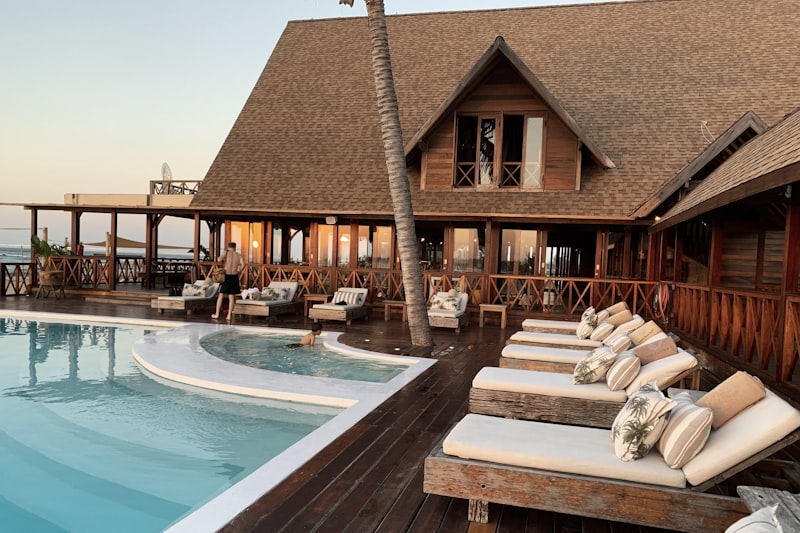
Checking into a hotel in a foreign country is one of the most common moments where language barriers hit hardest. You are tired from traveling, possibly jet-lagged, and suddenly need to communicate specific requests — your reservation name, room preferences, WiFi access — in a language you do not speak. The front desk staff might know some English, but in smaller hotels, guesthouses, and rural accommodations, that is far from guaranteed.
This guide gives you the exact phrases you need for every hotel scenario, translated into Spanish, French, Vietnamese, Hindi, and Japanese. Bookmark this page, or better yet, use TapSay to have all these phrases (and hundreds more) available offline on your phone.
Checking In
The arrival moment. You walk up to the front desk, and you need to confirm your booking and get your room key. These are the phrases that get you through the door.
| English | Spanish | French | Vietnamese | Hindi | Japanese |
|---|---|---|---|---|---|
| I have a reservation. | Tengo una reserva. | J'ai une réservation. | Tôi có đặt phòng. | मेरा आरक्षण है। | 予約があります。 |
| My name is... | Mi nombre es... | Mon nom est... | Tên tôi là... | मेरा नाम...है। | 名前は...です。 |
| I'd like to check in. | Quisiera registrarme. | Je voudrais faire le check-in. | Tôi muốn nhận phòng. | मैं चेक-इन करना चाहता/चाहती हूँ। | チェックインをお願いします。 |
| Here is my booking confirmation. | Aquí está mi confirmación. | Voici ma confirmation. | Đây là xác nhận đặt phòng. | यह मेरी बुकिंग पुष्टि है। | 予約確認書です。 |
| Can I see the room first? | ¿Puedo ver la habitación primero? | Puis-je voir la chambre d'abord? | Tôi có thể xem phòng trước không? | क्या मैं पहले कमरा देख सकता/सकती हूँ? | 先に部屋を見てもいいですか? |
Cultural Tip: Checking In
In Japan, hotels often ask you to fill out a registration card (宿泊カード) with your name, address, nationality, and passport number. Have your passport ready — it is a legal requirement for foreign guests. In Vietnam, budget hotels and guesthouses commonly hold your passport overnight for registration with local police; this is standard practice and not cause for concern. In India, you will typically need both your passport and a printed or digital copy of your booking confirmation. In Spain and France, a simple ID or passport suffices at most hotels.
WiFi and Internet Access
The first thing most travelers ask after getting their room key. Even if you are following a zero-data travel strategy, hotel WiFi is essential for planning and communication.
| English | Spanish | French | Vietnamese | Hindi | Japanese |
|---|---|---|---|---|---|
| What is the WiFi password? | ¿Cuál es la contraseña del WiFi? | Quel est le mot de passe WiFi? | Mật khẩu WiFi là gì? | वाईफ़ाई का पासवर्ड क्या है? | WiFiのパスワードは何ですか? |
| The internet is not working. | El internet no funciona. | Internet ne fonctionne pas. | Internet không hoạt động. | इंटरनेट काम नहीं कर रहा। | インターネットが繋がりません。 |
| Is WiFi free? | ¿El WiFi es gratuito? | Le WiFi est-il gratuit? | WiFi có miễn phí không? | क्या वाईफ़ाई मुफ़्त है? | WiFiは無料ですか? |
Room Requests and Services
Once you are settled in, you might need extra amenities or have specific requests. These phrases cover the most common needs.
| English | Spanish | French | Vietnamese | Hindi | Japanese |
|---|---|---|---|---|---|
| Can I have extra towels? | ¿Puede darme toallas extra? | Puis-je avoir des serviettes supplémentaires? | Cho tôi thêm khăn tắm được không? | क्या मुझे अतिरिक्त तौलिये मिल सकते हैं? | タオルを追加でいただけますか? |
| Can I have an extra pillow? | ¿Puede darme una almohada extra? | Puis-je avoir un oreiller supplémentaire? | Cho tôi thêm gối được không? | क्या मुझे एक अतिरिक्त तकिया मिल सकता है? | 枕を追加でいただけますか? |
| Is breakfast included? | ¿El desayuno está incluido? | Le petit-déjeuner est-il inclus? | Có bao gồm bữa sáng không? | क्या नाश्ता शामिल है? | 朝食は含まれていますか? |
| What time is breakfast? | ¿A qué hora es el desayuno? | À quelle heure est le petit-déjeuner? | Bữa sáng mấy giờ? | नाश्ता कितने बजे है? | 朝食は何時ですか? |
| I'd like room service. | Quisiera servicio a la habitación. | Je voudrais le room service. | Tôi muốn dịch vụ phòng. | मुझे रूम सर्विस चाहिए। | ルームサービスをお願いします。 |
| Can you call a taxi for me? | ¿Puede llamarme un taxi? | Pouvez-vous m'appeler un taxi? | Bạn có thể gọi taxi cho tôi không? | क्या आप मेरे लिए टैक्सी बुला सकते हैं? | タクシーを呼んでいただけますか? |
Cultural Tip: Room Requests
In France, the concept of "room service" is mostly limited to upscale hotels. At a typical hotel, you are more likely to have a small kettle and tea/coffee supplies in the room. In Japan, many hotels provide yukata (light robes) and slippers. It is customary to remove your shoes at the room entrance, even at Western-style hotels. In India, most hotels above budget level are happy to arrange extra amenities; simply calling the front desk is the norm and staff are typically eager to help. In Vietnam, even modest hotels often offer free water bottles, fruit, and sometimes a welcome drink — accept them graciously.
Reporting Problems
Sometimes things go wrong. The air conditioning does not work, the room is not clean, or the hot water is out. Being able to explain the problem clearly makes all the difference in getting it resolved quickly.
| English | Spanish | French | Vietnamese | Hindi | Japanese |
|---|---|---|---|---|---|
| The air conditioning is not working. | El aire acondicionado no funciona. | La climatisation ne fonctionne pas. | Điều hòa không hoạt động. | एयर कंडीशनर काम नहीं कर रहा। | エアコンが動きません。 |
| There is no hot water. | No hay agua caliente. | Il n'y a pas d'eau chaude. | Không có nước nóng. | गर्म पानी नहीं आ रहा। | お湯が出ません。 |
| The room is too noisy. | La habitación tiene mucho ruido. | La chambre est trop bruyante. | Phòng quá ồn. | कमरा बहुत शोर वाला है। | 部屋がうるさすぎます。 |
| Can I change rooms? | ¿Puedo cambiar de habitación? | Puis-je changer de chambre? | Tôi có thể đổi phòng không? | क्या मैं कमरा बदल सकता/सकती हूँ? | 部屋を変えていただけますか? |
| The key does not work. | La llave no funciona. | La clé ne fonctionne pas. | Chìa khóa không mở được. | चाबी काम नहीं कर रही। | 鍵が使えません。 |
Cultural Tip: Handling Complaints
In Japan, direct complaints can cause embarrassment. Frame problems as gentle observations: "I noticed the air conditioning might not be working" is better received than "The AC is broken." The staff will typically apologize profusely and fix the issue immediately. In Spain and Latin America, a warm and friendly tone when reporting problems goes a long way. In Vietnam, patience is key — staff at smaller hotels may need time to understand the issue and find a solution, but they genuinely want to help. In India, being polite but clear and direct works best; hotel staff are accustomed to addressing concerns promptly.
Checking Out
The departure conversation is often shorter but still important, especially when it comes to settling the bill and making sure there are no unexpected charges.
| English | Spanish | French | Vietnamese | Hindi | Japanese |
|---|---|---|---|---|---|
| I'd like to check out. | Quisiera hacer el check-out. | Je voudrais faire le check-out. | Tôi muốn trả phòng. | मैं चेक-आउट करना चाहता/चाहती हूँ। | チェックアウトをお願いします。 |
| Can I have the bill? | ¿Puede darme la cuenta? | Puis-je avoir la facture? | Cho tôi hóa đơn được không? | क्या मुझे बिल मिल सकता है? | お会計をお願いします。 |
| Can I leave my bags here? | ¿Puedo dejar mis maletas aquí? | Puis-je laisser mes bagages ici? | Tôi có thể gửi hành lý ở đây không? | क्या मैं अपना सामान यहाँ रख सकता/सकती हूँ? | 荷物をここに預けてもいいですか? |
| What time is checkout? | ¿A qué hora es el check-out? | À quelle heure est le check-out? | Mấy giờ trả phòng? | चेक-आउट का समय क्या है? | チェックアウトは何時ですか? |
| Can I have a late checkout? | ¿Puedo hacer check-out más tarde? | Puis-je avoir un check-out tardif? | Tôi có thể trả phòng muộn không? | क्या मैं देर से चेक-आउट कर सकता/सकती हूँ? | レイトチェックアウトは可能ですか? |
| Thank you for everything. | Gracias por todo. | Merci pour tout. | Cảm ơn tất cả. | सब कुछ के लिए धन्यवाद। | お世話になりました。 |
Cultural Tip: Checking Out
In Japan, the phrase "お世話になりました" (osewa ni narimashita) literally means "thank you for taking care of me" and is the perfect checkout phrase — it shows deep appreciation for the hospitality received. In France, a simple "Merci pour tout" with a sincere smile leaves a great impression. In Vietnam, asking to store luggage after checkout is extremely common and almost always free — the staff expect it, especially if you have an evening flight. In Spain, late checkout is often negotiable, especially during low season — it never hurts to ask.
Emergency and Safety Phrases
These are phrases you hope you never need, but should absolutely have ready just in case.
| English | Spanish | French | Vietnamese | Hindi | Japanese |
|---|---|---|---|---|---|
| I need a doctor. | Necesito un médico. | J'ai besoin d'un médecin. | Tôi cần bác sĩ. | मुझे डॉक्टर की ज़रूरत है। | 医者が必要です。 |
| Where is the emergency exit? | ¿Dónde está la salida de emergencia? | Où est la sortie de secours? | Lối thoát hiểm ở đâu? | आपातकालीन निकास कहाँ है? | 非常口はどこですか? |
| Please call the police. | Por favor llame a la policía. | Appelez la police s'il vous plaît. | Làm ơn gọi cảnh sát. | कृपया पुलिस को बुलाइए। | 警察を呼んでください。 |
| I lost my passport. | Perdí mi pasaporte. | J'ai perdu mon passeport. | Tôi bị mất hộ chiếu. | मेरा पासपोर्ट खो गया है। | パスポートを無くしました。 |
Pro Tips for Smoother Hotel Stays Abroad
- Screenshot your booking confirmation before you arrive. If WiFi is down at the hotel, you can still show proof of your reservation offline.
- Learn the numbers 1 through 10 in the local language. Room numbers, floor numbers, and breakfast times all involve numbers.
- Save the hotel's address in the local script. When taking a taxi back to the hotel, showing the address in the local language to the driver is far more effective than trying to pronounce the hotel name.
- Take a business card from the front desk. Most hotels have cards with their address and phone number in the local language. This is invaluable for getting back to the hotel by taxi.
- Use a visual phrase tool. Instead of stumbling through pronunciation, show the phrase on your phone screen. The hotel staff reads it in their own language, and there is zero ambiguity. This is exactly what TapSay's flashcard system is designed for — no voice recognition issues, no internet needed.
All These Phrases, Always in Your Pocket
Never Struggle at a Hotel Front Desk Again
TapSay has a complete hotel category with check-in, room service, complaint, and checkout phrases in all 5 languages. Works offline. Just tap, show, and communicate.
Try TapSay Free — 45 CardsFor more travel communication strategies, check out our guide on traveling on a $0 data budget or learn why visual translation beats voice apps in real-world situations.